
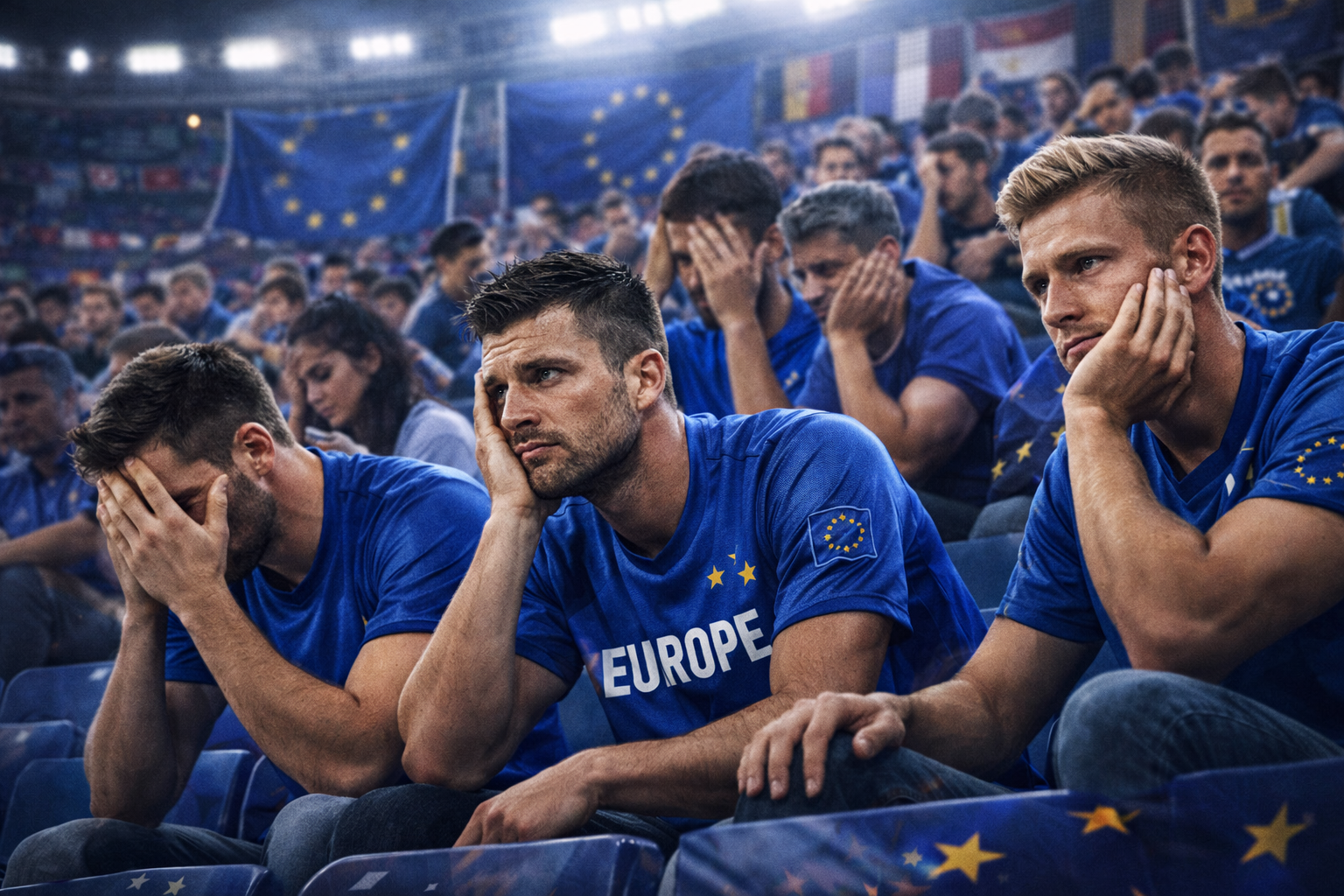
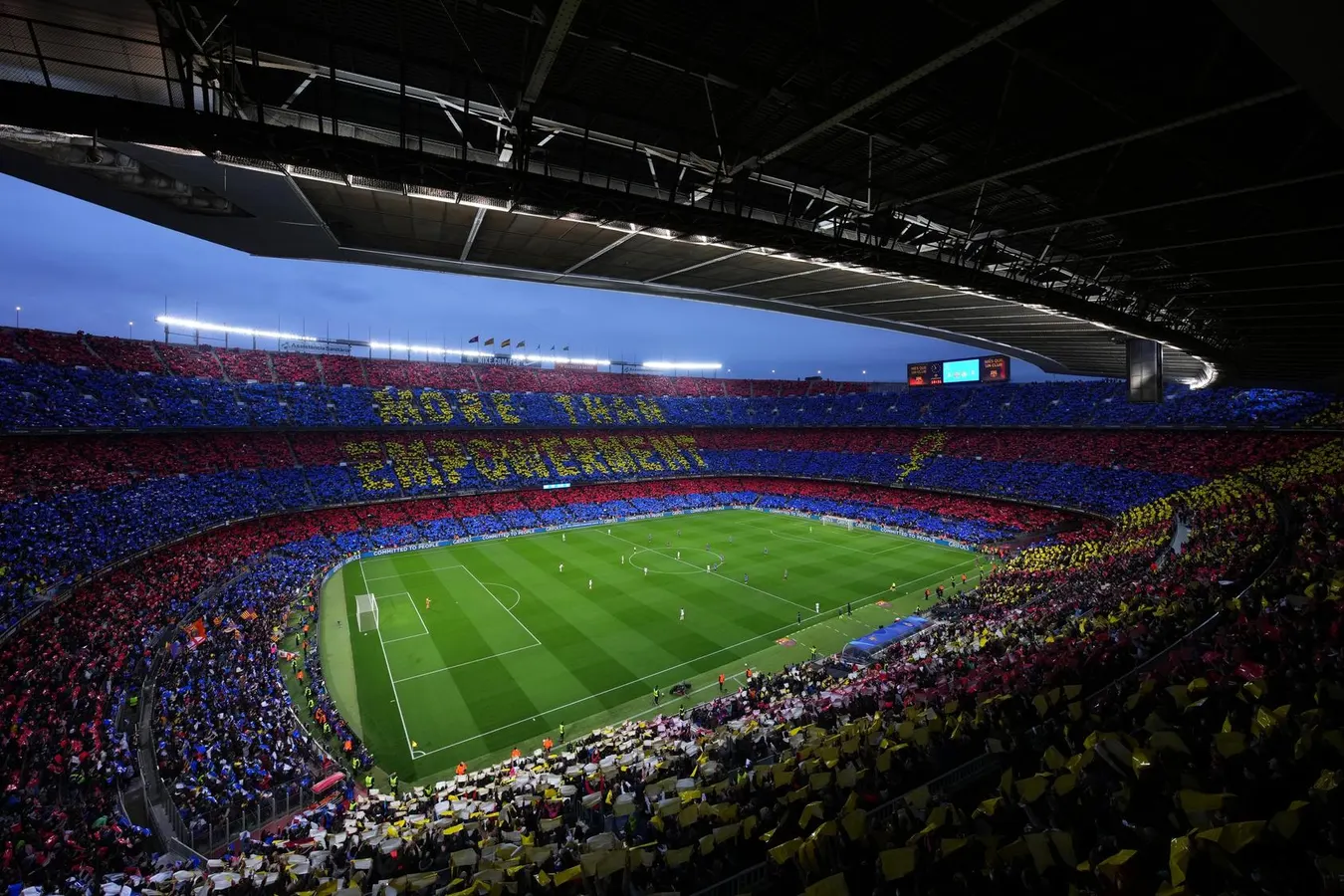
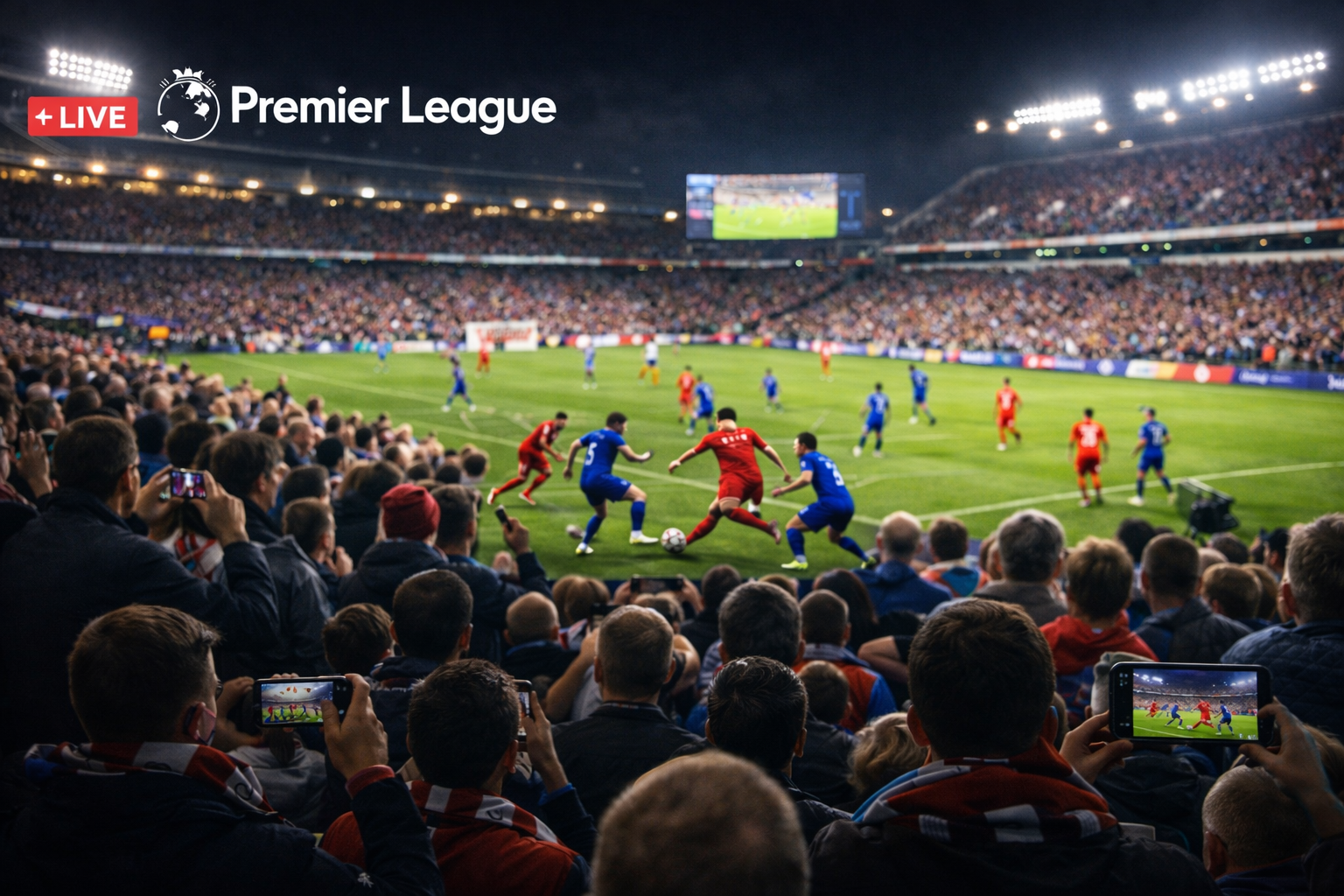
European football has always been more than a sport. It has been culture, identity, and passion passed down through generations. Packed stadiums, fierce rivalries, and unforgettable nights created a magic that made Europe the heart of world football.
But in recent years, something feels… different.
Many fans are asking uncomfortable questions: Why do matches feel predictable? Why do smaller clubs rarely dream anymore? Why does football seem more like a business than a game? While Europe still dominates headlines, a growing part of the audience believes the soul of European football is slowly fading.
This article explores the reasons behind that feeling — and why ignoring it could be dangerous for Europe’s football future.
Predictable Leagues Are Killing Excitement
One of the biggest problems in European football today is lack of competitiveness. In many domestic leagues, the champion is almost decided before the season starts.
The same clubs dominate year after year, backed by massive budgets and global brands. For neutral fans, this predictability reduces excitement. When outcomes feel scripted, emotional investment drops.
Even leagues once known for balance now struggle to offer surprises. Upsets still happen, but they rarely change the final picture. For younger audiences raised on fast-paced entertainment, predictability is the fastest way to lose attention.
Money Has Taken Over the Game
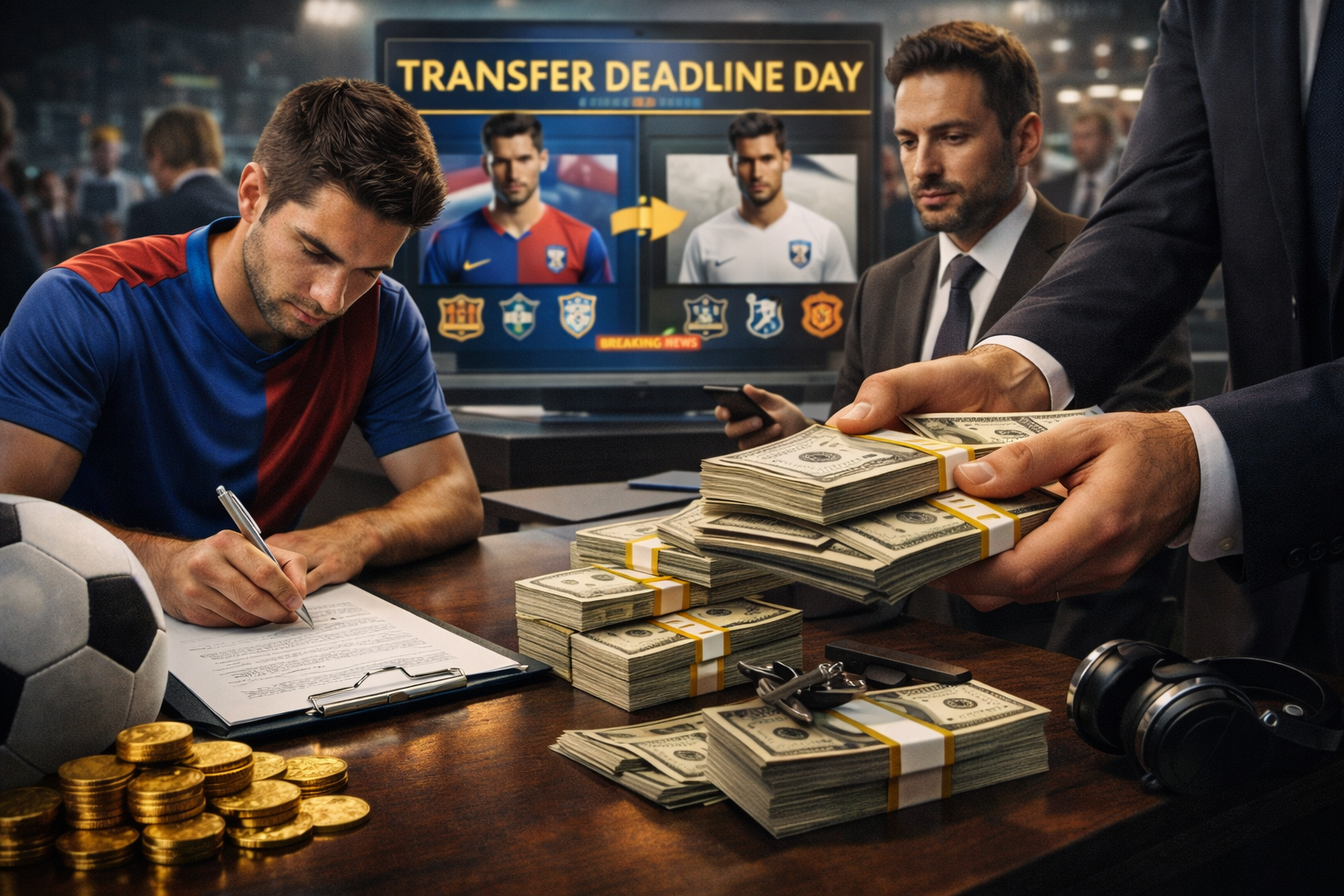
Football has always involved money, but the balance has shifted dramatically. Today, financial power often matters more than scouting, tactics, or youth development.
Transfer fees and wages have reached levels that feel disconnected from reality. Clubs take huge financial risks to stay competitive, while others are pushed further behind every season.
This financial inequality creates frustration among fans, especially those supporting mid-table or smaller clubs. When success feels impossible without billionaire backing, belief disappears — and belief is the foundation of football passion.
The Champions League Doesn’t Feel Special Anymore
The Champions League was once the ultimate stage of European football. Magical nights, unexpected heroes, and unforgettable comebacks defined the competition.
Today, many fans argue that its magic is fading. The same teams appear every season, group stages feel repetitive, and the gap between elite clubs and the rest keeps growing.
Format changes aimed at increasing revenue have also divided opinion. Instead of making the competition more exciting, critics say they have turned it into a closed club designed to protect the richest teams.
When even Europe’s biggest tournament feels predictable, the emotional impact weakens.
Fans Are Treated Like Customers, Not Supporters
Modern European football increasingly prioritizes global audiences over local supporters. Ticket prices rise, kickoff times change for television, and traditional matchday culture is often ignored.
For lifelong fans, this creates distance. Stadiums are still full, but the atmosphere is different. Tourists replace locals, chants fade, and identity weakens.
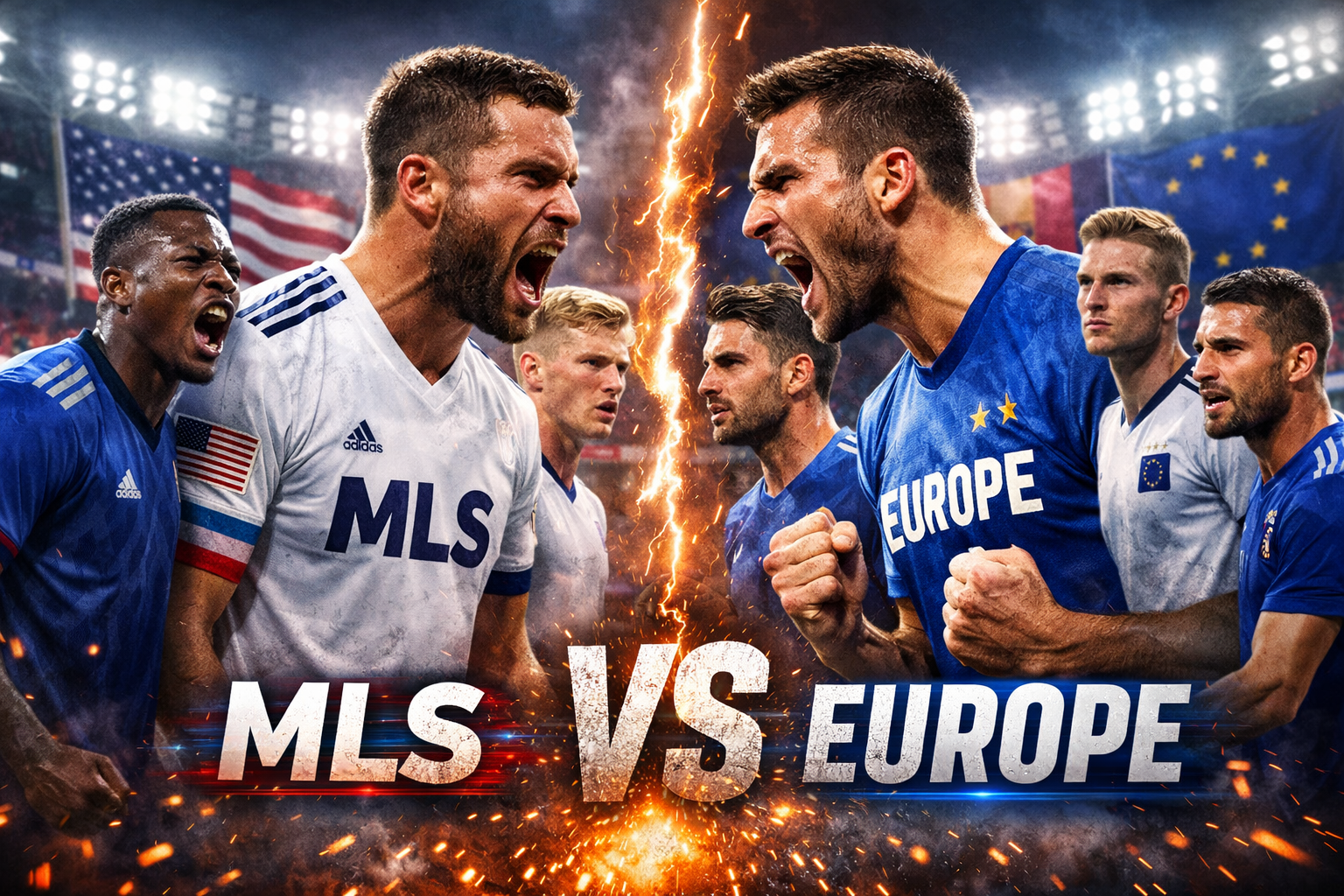
Meanwhile, leagues like the MLS invest heavily in fan experience, comfort, and engagement — something European football has been slow to address.
Passion cannot be monetized forever without consequences.
Younger Fans Are Drifting Away
Perhaps the most alarming issue for European football is the decline in engagement among younger audiences.
Teenagers and young adults consume sports differently. They want highlights, stories, interaction, and authenticity. Long matches with slow pacing struggle to compete with gaming, social media, and streaming platforms.
While Europe relies heavily on tradition, other markets adapt faster. The United States, in particular, treats football as part of a broader entertainment ecosystem — and it’s working.
If Europe fails to evolve without losing its identity, it risks becoming irrelevant to the next generation.
Final Thoughts: Is European Football Really in Danger?
European football is not dying — but it is changing, and not always in the right direction.
History, talent, and culture still place Europe at the top of the football world. However, arrogance and resistance to change could slowly erode that position. Fans want emotion, unpredictability, and connection — not just polished brands and financial reports.
If European football wants to protect its magic, it must remember why people fell in love with the game in the first place.



Leave a Reply