
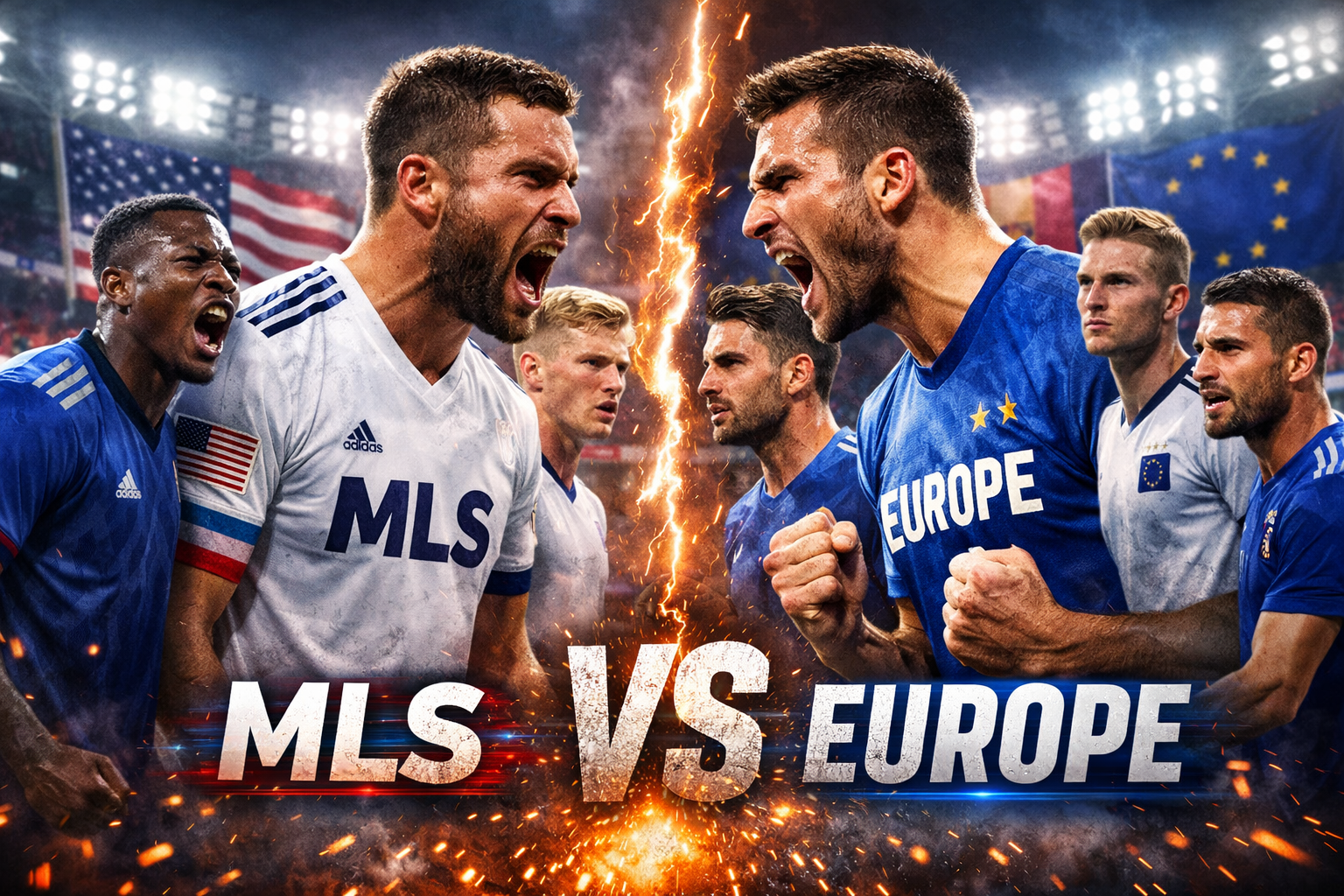
For decades, European football has dominated the global game. The biggest clubs, the most prestigious competitions, and the world’s best players have traditionally belonged to Europe. From packed stadiums in England to historic nights in Spain and Italy, Europe has been the unquestioned center of world football.
But something unexpected is happening across the Atlantic.
MLS is no longer just a developing league. It has become a serious global project backed by massive investments, modern infrastructure, and a long-term vision. While European football faces financial pressure, calendar overload, and declining interest among younger audiences, the United States is quietly building a system that could reshape the balance of power in world football.
So the big question is no longer a joke: can MLS actually challenge European football in the future?
The Explosive Growth of MLS in the United States
Over the last decade, MLS has experienced growth that few leagues in the world can match. New clubs, soccer-specific stadiums, rising attendance numbers, and lucrative broadcasting deals have pushed the league into a new era.
Unlike many European clubs struggling with massive debt, MLS operates under a controlled financial model. Salary caps, shared revenues, and centralized governance have created stability. This structure allows clubs to grow without risking collapse.
Younger fans in the U.S. — especially Gen Z — are embracing soccer as part of modern culture. Streaming platforms, social media highlights, and interactive content have made MLS more accessible than ever. At the same time, youth academies are producing better players, many of whom are already moving to Europe or becoming national team regulars.
This steady, structured growth is something European football rarely achieves today.
European Football Is Under Pressure Like Never Before
Despite its prestige, European football is facing serious challenges. Financial Fair Play violations, overloaded calendars, and predictable domestic leagues are slowly eroding fan excitement.
Competitions like the Champions League remain iconic, but critics argue that the same clubs dominate every season. This lack of unpredictability reduces engagement, especially among casual fans.
Player burnout is another growing issue. Endless matches, international duties, and commercial tours are pushing athletes to their limits. Injuries are increasing, careers are shortening, and mental health concerns are becoming impossible to ignore.
As a result, Europe’s football model — once considered perfect — is starting to show cracks.
Why European Stars Are Choosing MLS Earlier Than Expected
For years, moving to the United States meant retirement. That perception is quickly changing.
Today, players see MLS as a strategic career move. The league offers competitive football, excellent facilities, global media exposure, and a healthier work-life balance. Clubs invest heavily in player branding, helping athletes expand their personal image beyond the pitch.
Financially, MLS may not yet match Europe’s elite wages, but it offers stability and long-term planning. For many players tired of extreme pressure, constant criticism, and unstable club finances, the U.S. represents a smarter alternative.
This trend worries European executives, who are now losing talent earlier — not because MLS is stronger, but because it is more sustainable.
Fan Experience: Is the U.S. Winning Off the Pitch?
One of the biggest advantages MLS has over Europe is the fan experience.
American stadiums are modern, comfortable, safe, and designed for entertainment. Fans enjoy high-quality food services, technology integration, family-friendly environments, and interactive matchday experiences.
In contrast, many European stadiums are outdated, overcrowded, and offer limited comfort. While European passion remains unmatched, younger audiences increasingly value experience as much as tradition.
MLS understands that football today competes with streaming platforms, gaming, and social media. Treating matches as full-scale entertainment events is no longer optional — it’s essential.
The 2026 World Cup Could Change Everything
The FIFA World Cup 2026, co-hosted by the United States, could be the biggest turning point in American soccer history.
Hosting the World Cup will massively increase visibility, investment, and youth participation. Historically, host nations benefit from long-term football growth — and the U.S. has the infrastructure, money, and market power to capitalize on it.
While Europe continues to dominate globally, it can no longer ignore what’s happening in North America. The gap may not close overnight, but it is shrinking faster than many expected.
Final Verdict: Will MLS Overtake Europe?
Not yet — but the future is wide open.
European football still leads in quality, history, and global prestige. However, MLS is building something Europe struggles to maintain: sustainability, innovation, and growth aligned with modern audiences.
The most likely scenario is not replacement, but a shift in global football power. And when that happens, MLS will be at the center of the conversation.











Leave a Reply